ERP Architecture for Frontier Markets: Why Off-The-Shelf Software Fails
An engineering analysis of why off-the-shelf foreign enterprise software collapses under regional multi-currency dynamics and cash-register realities.

Executive Summary & Key Takeaways
- Packaged Western ERPs assume stable single-currency accounting with period-end revaluation—an assumption that completely shatters under regional FX fluctuations.
- Legacy handwritten ledgers require hands-on physical data migration by local engineers rather than generic CSV import wizards.
- True resilience demands an offline-first data synchronization engine resilient to extended infrastructure drops.
The Structural Disconnect of Foreign Software Packages
Most regional enterprises that attempted to implement off-the-shelf software packages like SAP or generic foreign cloud accounting platforms encountered swift failure. These products operate on structural assumptions that simply do not hold in regional frontier markets: uninterrupted grid power, steady internet, and singular currency ledgers.
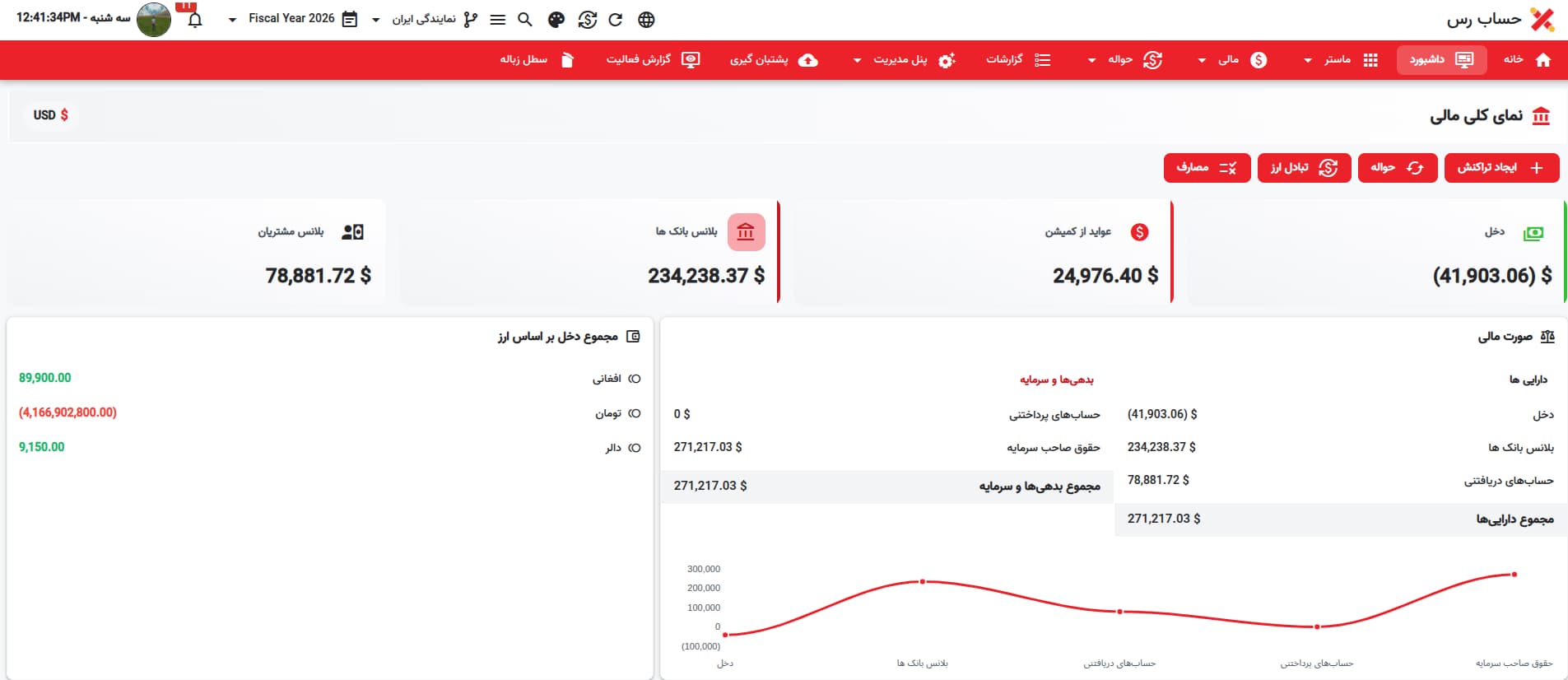
In reality, an enterprise in Herat or Kabul handles three or four currencies concurrently (USD, AFN, IRR, PKR) within a single morning. Exchange rates move by the minute against the open exchange market (Sarafi). When software forces foreign accounting conventions onto this reality, operators inevitably abandon the software and revert to their physical notebooks.
The Endurance of the Physical Ledger
Physical paper registers have endured because they never crash during a grid outage, require zero latency to write an entry, and possess zero software licenses. Any digital alternative must match or exceed this transactional speed while preserving cryptographic ledger integrity.
At Alkharazmi, our engineers do not mail a manual or send a generic download link. We embed directly inside client headquarters, guide the structural migration of historical registers, and adapt system mechanics to agreed operational workflows.
“An enterprise platform unable to balance real-time profit and loss during an extended network blackout is not an enterprise solution—it is operational friction.”
Ahmad Shah
Head of Engineering • Alkharazmi Software Development Team
Ready to deploy tailored resilient architecture?
Our engineers are on standby to review your ledger structures, calibrate multi-currency rules, and support deployment within agreed scope.
Related Engineering Insights
Back to Articles
Multi-Currency Financial Reconciliation: The Mathematical Logic of Hesab-Ras
How the Hesab-Ras mathematical engine minimizes currency volatility risk across Afghani, USD, and regional currencies in real-time ledgers.

Custom Engineering vs. Packaged Templates: Re-evaluating Total Cost of Ownership
Real deployment data from 5 manufacturing firms: why custom engineering with local deployment is fundamentally more cost-effective.


Sovereign Data Synchronization Across Variable Bandwidth Networks
Offline-first CRDT conflict resolution protocols that keep enterprise warehouses operational during total public network dropouts.